One device.
One mind.
A personal computer with one continuous intelligence — one memory, one understanding of your life — that gets better at knowing you over time.
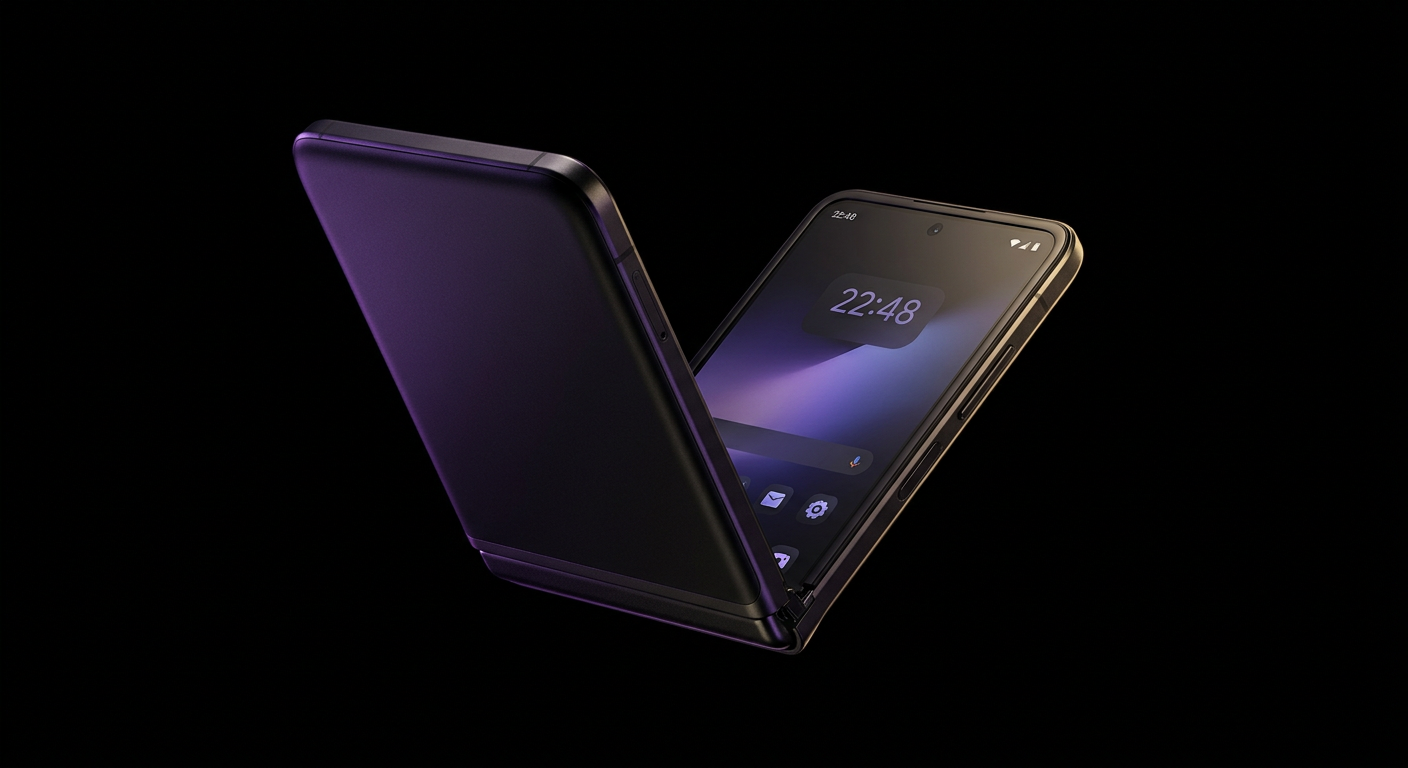
A personal computer with one continuous intelligence — one memory, one understanding of your life — that gets better at knowing you over time.
A foldable that's your phone, tablet, and laptop. Not three gadgets — one thing that changes shape depending on what you're doing.
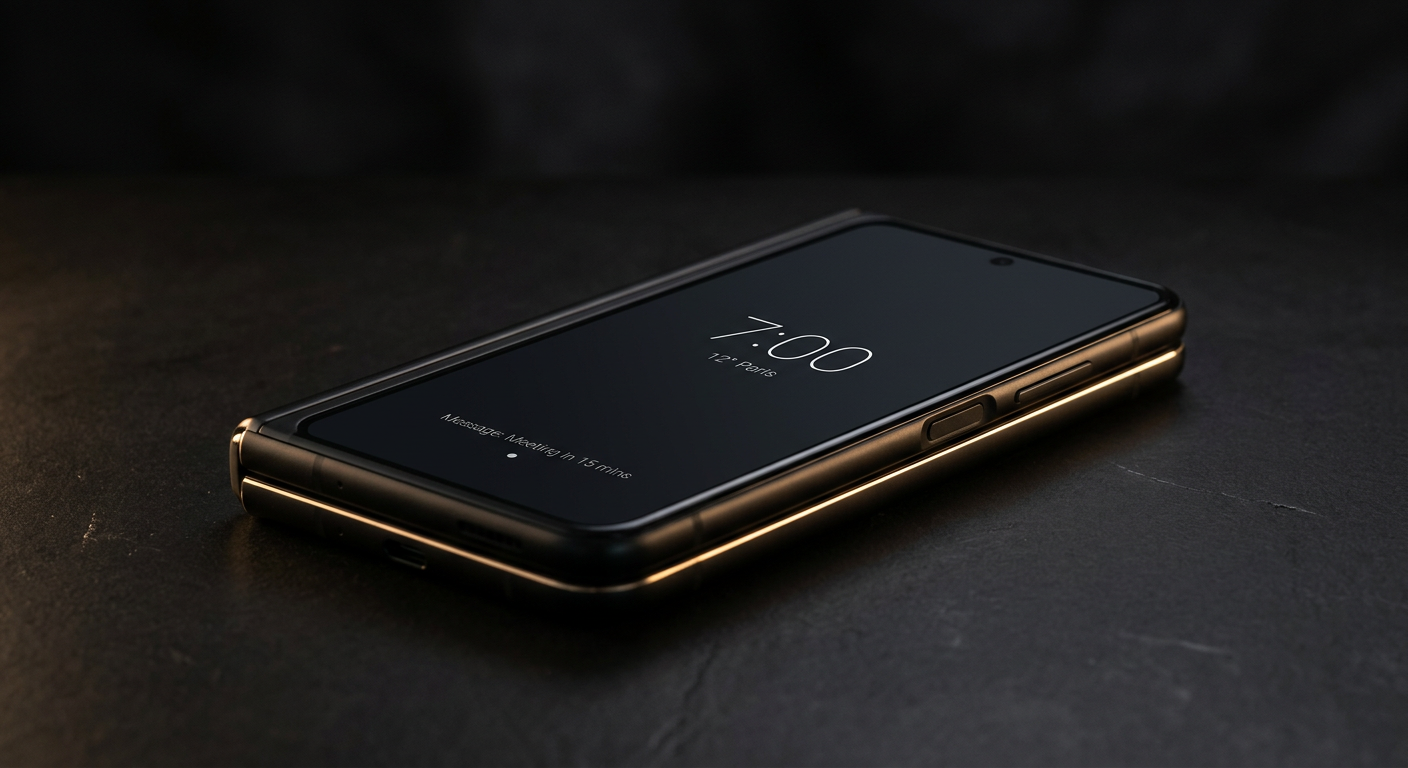
One-hand grip. Quick interactions, voice, glanceable info.
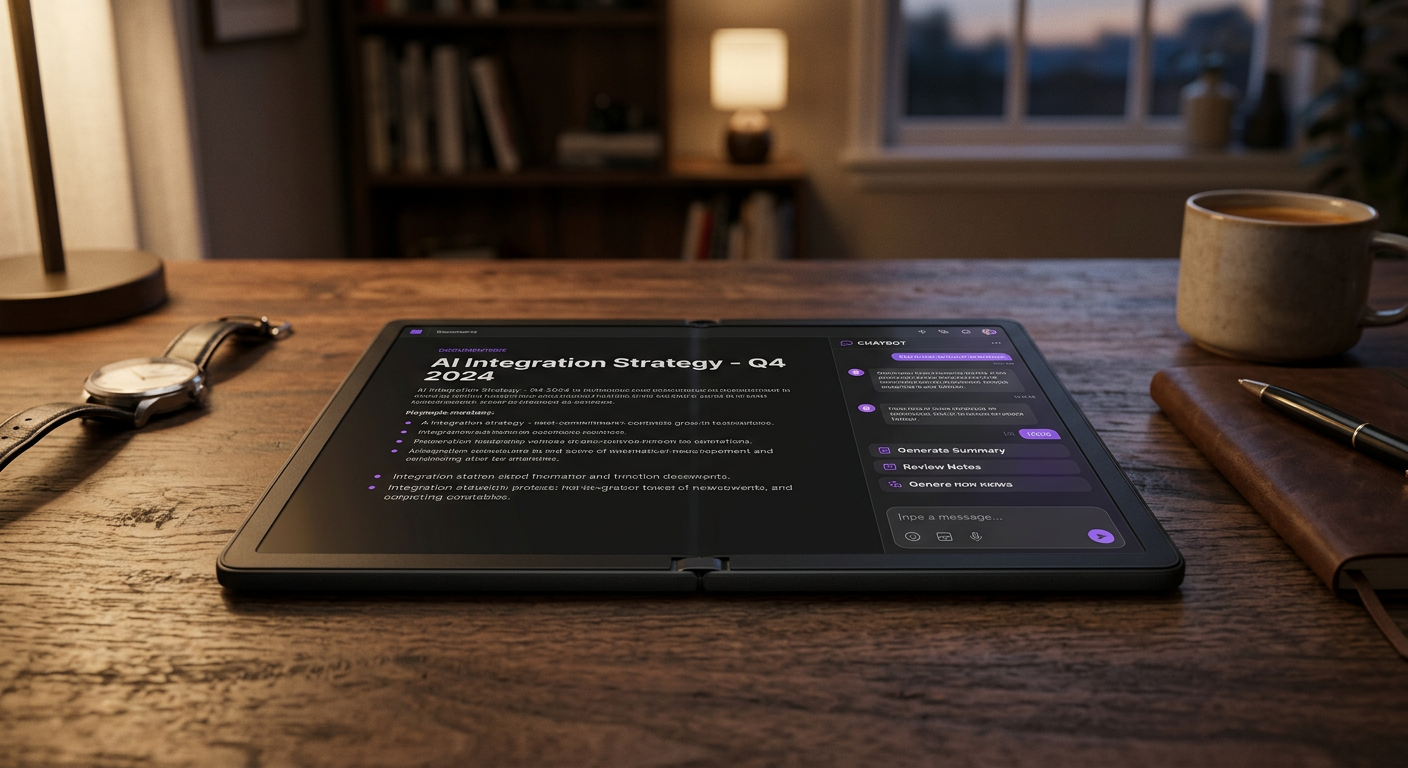
Reading, browsing, thinking visually. The comfortable middle.
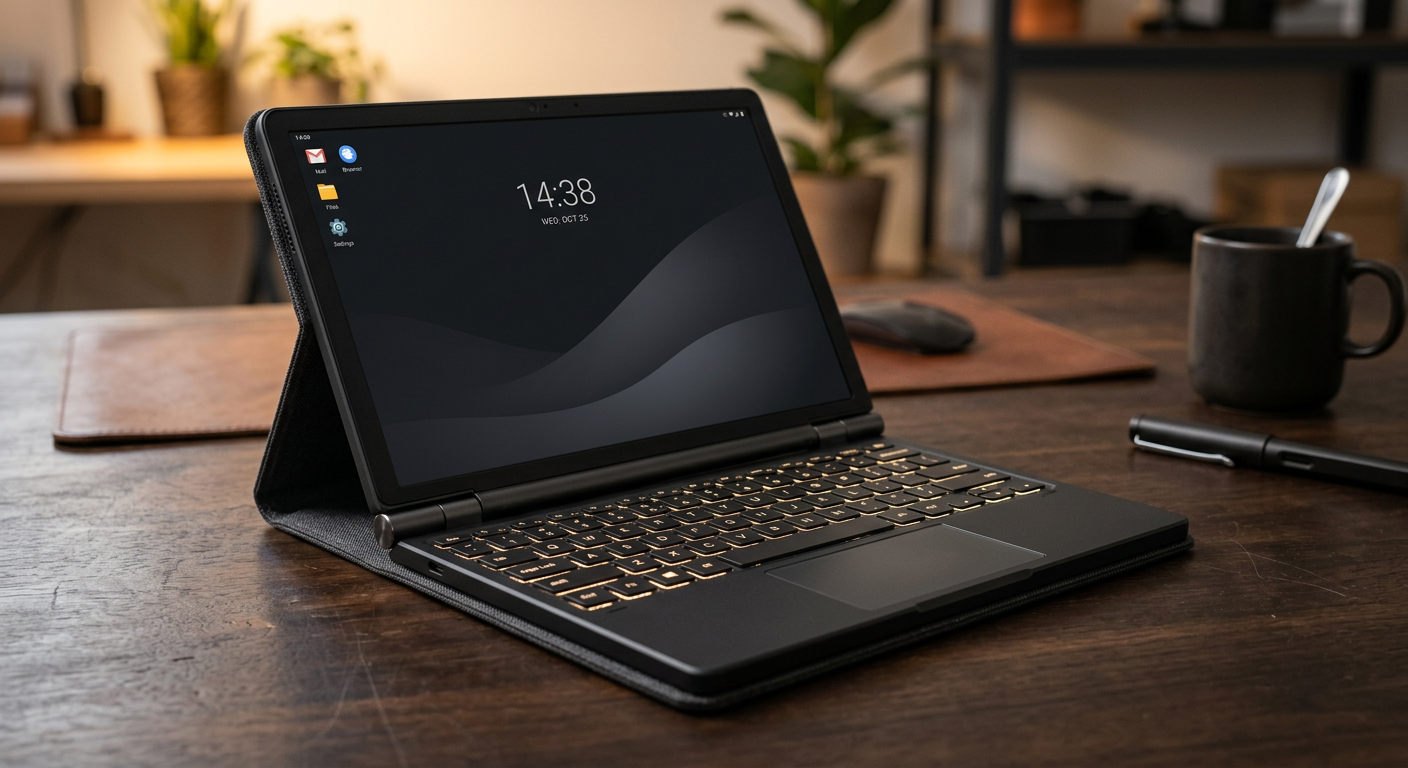
Deep work, creation. Slide into the folio — full workstation.
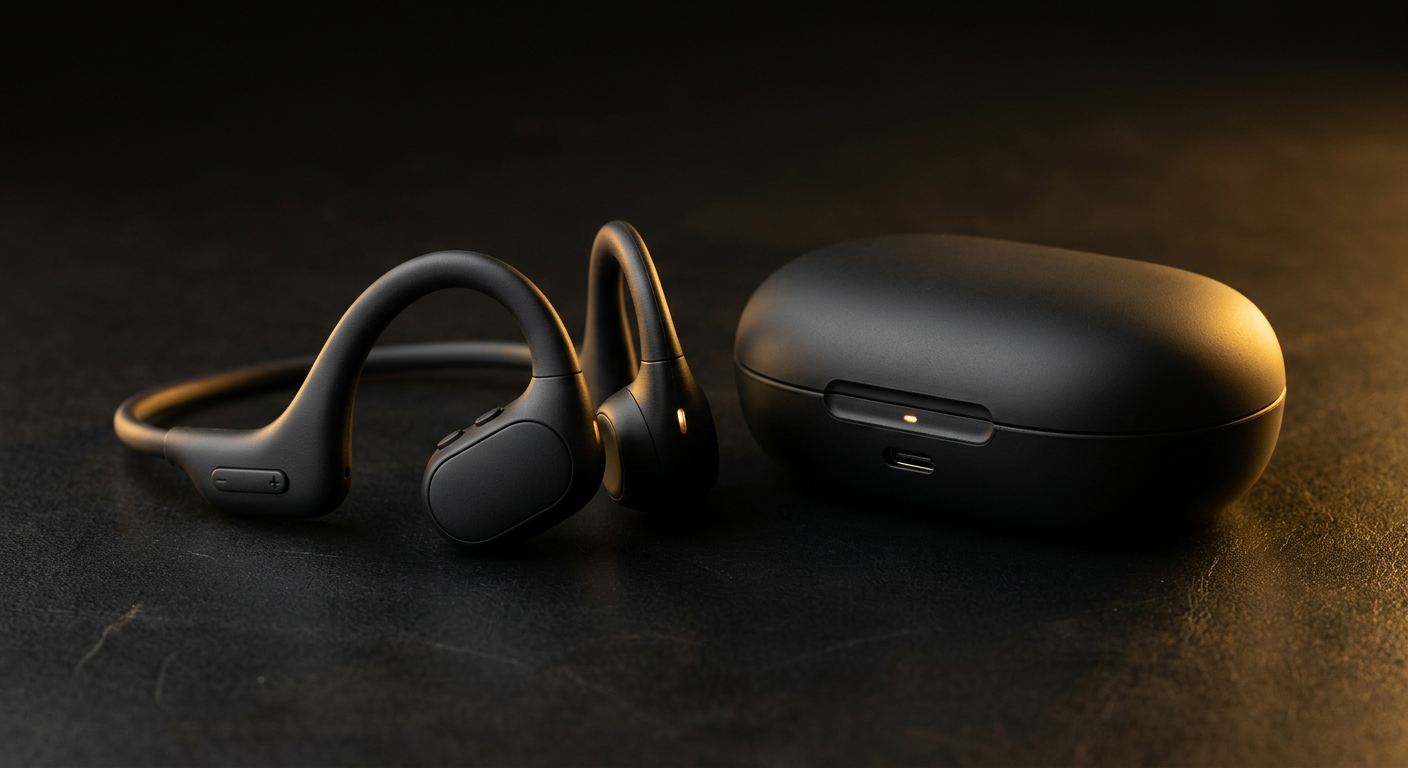
The earbuds ship with it. Bone conduction, always-on. The most intimate surface — a voice that knows when to talk and when to shut up.
Matte. Warm to the touch. You carry this 16 hours a day — it should feel like something you want to hold.
Apps exist because software used to be siloed. An AI-native OS doesn't need them — it composes capabilities on the fly based on what you're doing.
Today
Anima
Today
Anima
The screen adapts to context. Morning shows your day. At your desk it's a workspace. At dinner it goes dark. Not because you switched modes — because it reads the room.
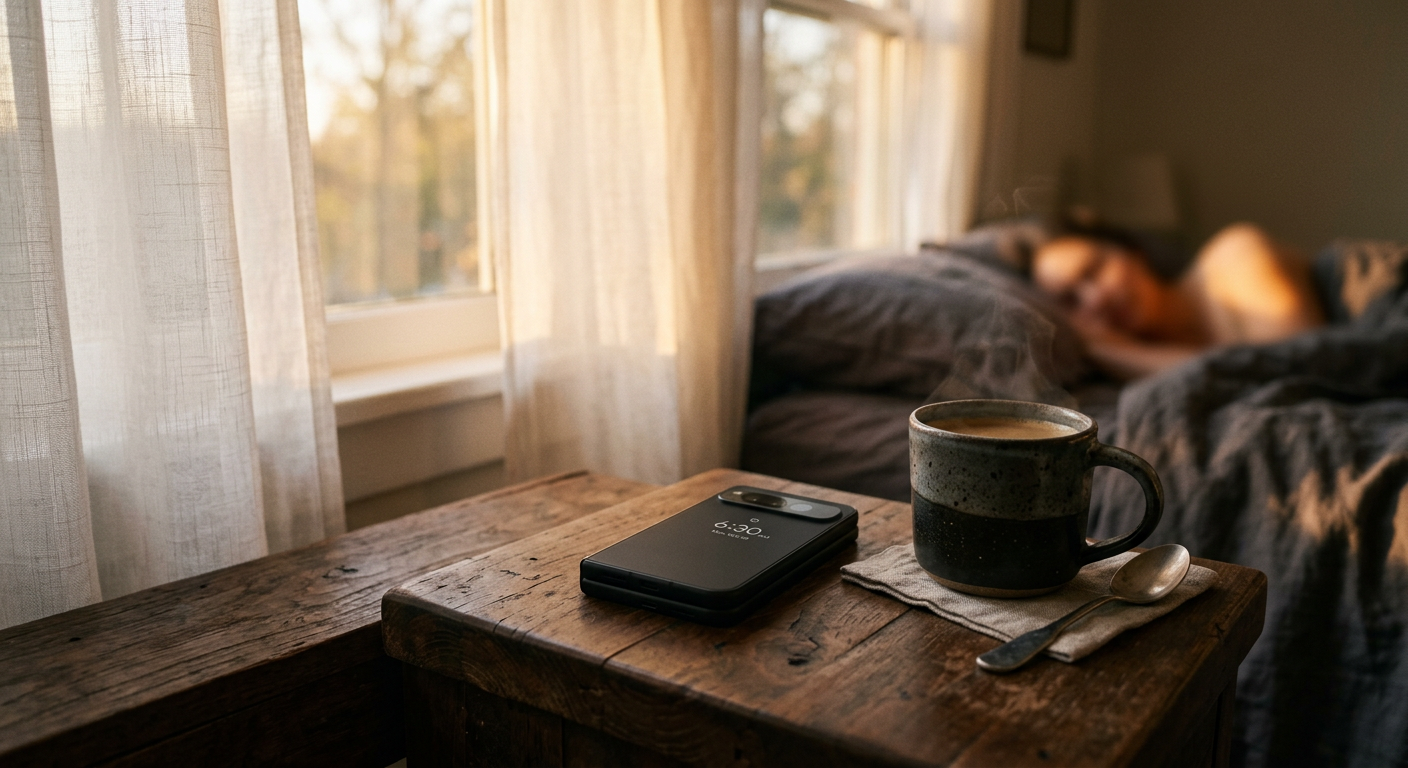
Weather, the shape of your day, one thing from overnight. Music starts — it learned your pattern weeks ago.
Earbuds. Picks up yesterday's article at the right paragraph. Briefs you on your first meeting — you didn't ask.
Unfolded, keyboard attached. Documents, design files, last week's research. "That retention study" — it knows which one. No searching.
Screen away. Sister texted. It reads the message, you dictate a reply. It writes in your voice. "Send" or "warmer" or "add the bit about Saturday."
Silent. It knows you're with someone. If something urgent comes: one soft tone. Everything else waits.
Tomorrow's first thing. A reading suggestion it held for the right moment. A short summary writes to memory. Edit it or don't. Then dark.
It starts cautious and earns autonomy through track record. Not a permissions dialog — a relationship.
A structured memory of your life that you own. Not logs — understanding. Browsable, editable, deletable, portable.
"What was that restaurant in October?" works. "When did I start feeling off about the project?" works too — it noticed the pattern in how you talked about it over weeks.
Everything is local-first. Encrypted. The company that makes this can't see your data — architecturally, not as a policy. You export everything in open formats. No lock-in.
Foldable hardware is shipping. On-device AI is shipping. The missing piece is an OS that stitches memory, context, and taste together — where the AI isn't a feature bolted on. It is the interface.